
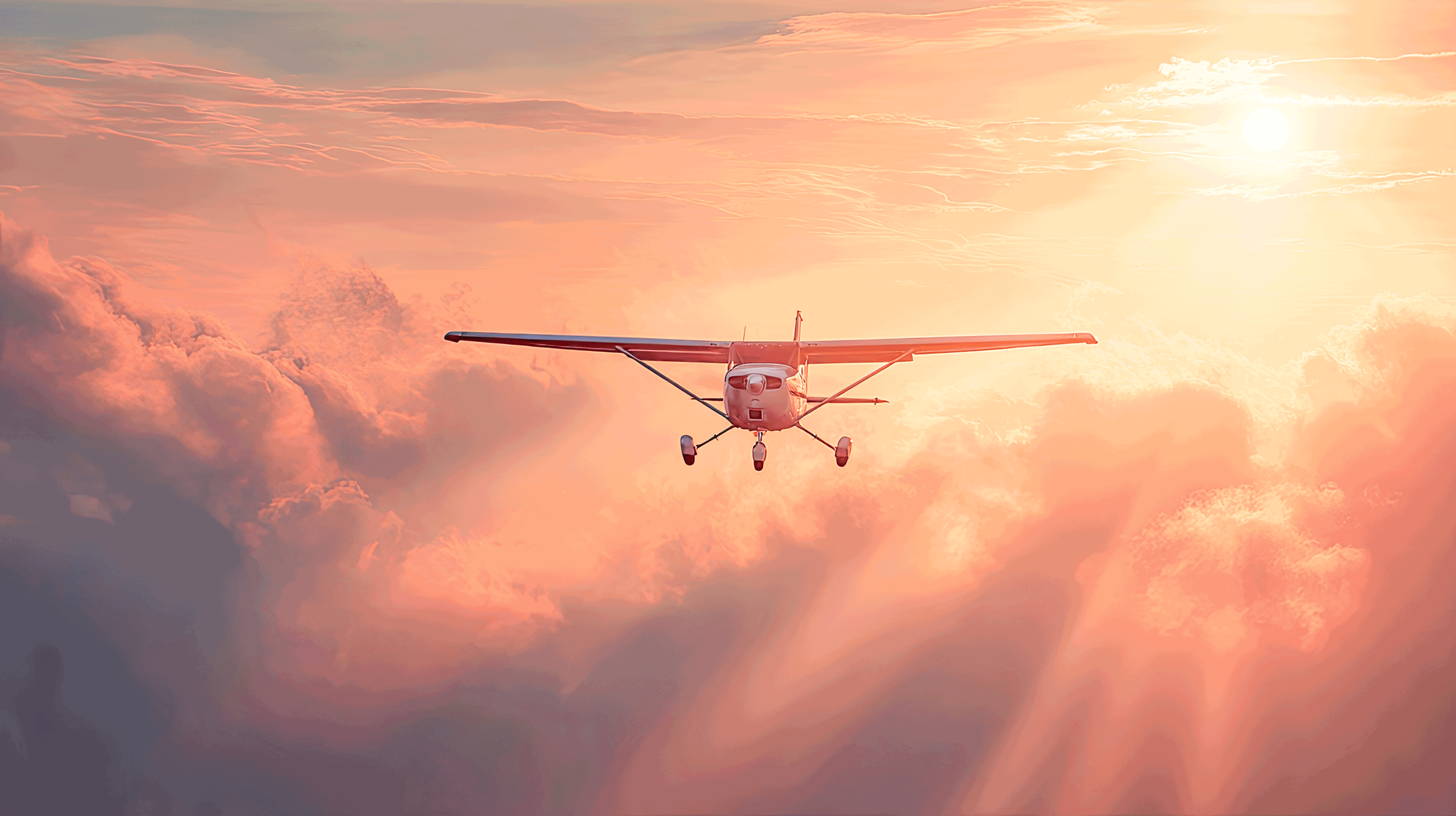
You First Solo Flight
Steps to Solo
Student pilots must obtain a Medical Certificate before being able to solo. See more here.
Flying with your CFI you will learn:
Stick-and-rudder skills like taxiing, basic airwork (turns, climbs, slow flight), stall recovery, and emergency procedures.
Pattern work which takes place in the airport traffic pattern. You must master normal takeoffs, crosswind landings, and know how to safely abort a bad approach by performing a go-around.
The Pre-Solo Test: Before flying alone, you must pass a written exam that is written and graded directly by your CFI, covering local airspace rules and the limitations of the specific aircraft they will fly.
*This is different than the FAA Knowledge Test. You must pass the pre-solo test before your first solo flight. You can take the FAA Knowledge Test at any point (within 2 years) before your final checkride.
The Sign-Off: Once you demonstrate consistent, safe landings, your CFI will issue the necessary endorsements in the student's logbook.
The First Solo Flight: On the day of the solo, you will fly a few practice laps in the traffic pattern with the instructor aboard. If everything goes smoothly, the instructor steps out, and you complete three solo takeoffs and full-stop landings on your own.
Flight Hours to solo
The FAA has no minimum flight hours needed to solo
Most student pilots are ready to solo around 20-40 flight hours
Being able to solo depends on skill and safety knowledge
Your CFI will help you understand when you will be able to solo